Circularity Is An Apparel Reality
More clothes are being produced than used. According to one study, one garbage truck of textiles (about 12 to 14 tonnes) is wasted every second. In 2017, the value of...
Latest updates on what's happening in RGE Group


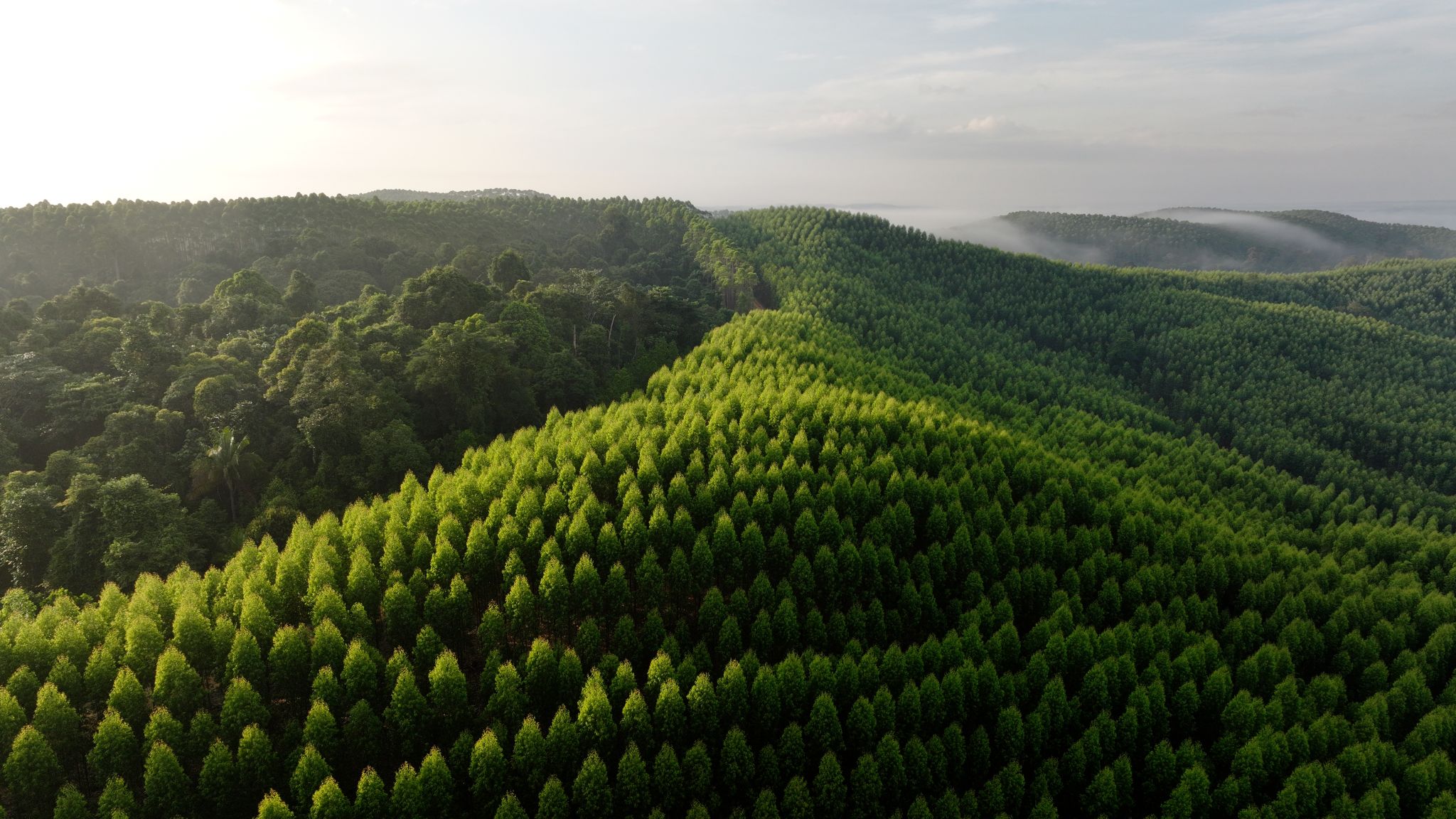
As global demand for resources grows, so does the recognition that nature underpins economic resilience and long-term business continuity. Across RGE’s operations, this perspective is increasingly embedded into how the Group plans for the future, particularly in land-based sectors where the health of ecosystems directly influences productivity, risk management, and operational stability.
At APRIL, part of the RGE group, this approach has translated into sustained, science-based investments in landscape management and conservation. Speaking at a recent International Union for Conservation of Nature (IUCN) training programme, Craig Tribolet, Director of Sustainability and External Affairs at APRIL, outlined how nature shapes the group’s strategic decision-making.
At the core is a fundamental reality: “If nature stopped tomorrow, and all the ecosystem services that nature provides for free were to cease, then the world would stop tomorrow,” Craig said. Today, around 55% of global GDP, equivalent to approximately US$58 trillion, depends on nature. At the same time, a significant financing gap remains. Global efforts to protect and restore biodiversity face an estimated US$700 billion annual shortfall, a scale too large to be met by governments and NGOs alone. Mobilising private sector capital is vital to close the gap.
For RGE, this context informs how the group’s businesses plan for the future. Across APRIL’s operations, nature is approached as a foundational part of long-term landscape management. “Nature is increasingly understood as an economic asset… and also a financial risk,” Craig noted, emphasising the need to embed nature considerations directly into business models for future-planning.
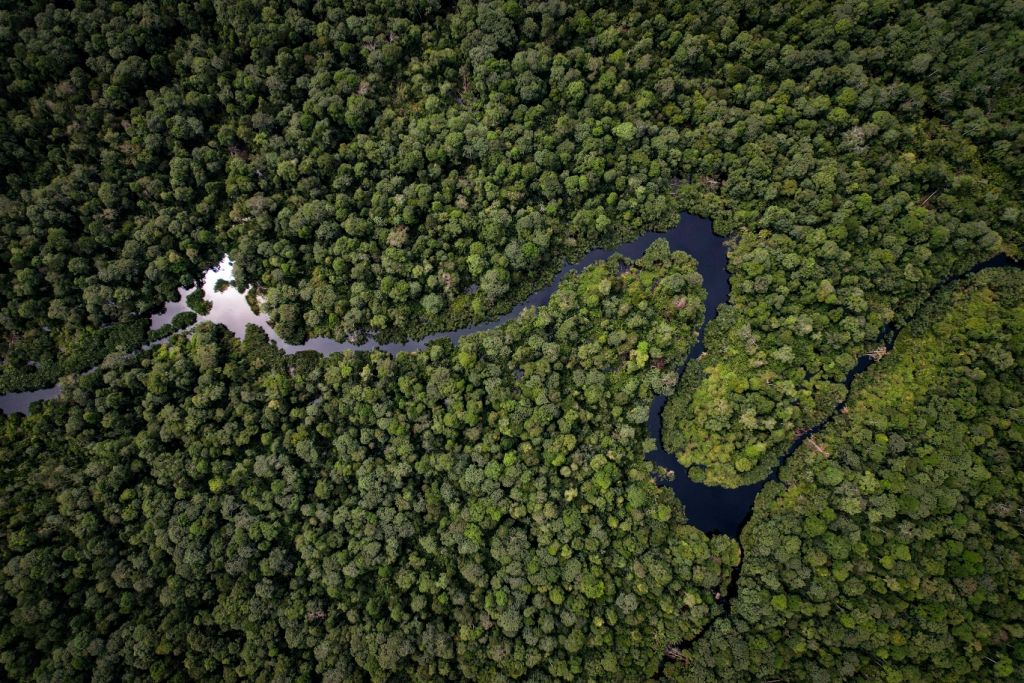
Nature is a foundational part of long-term landscape management, and APRIL embeds ecosystem protection and restoration directly into its business model.
This approach is reflected in sustained, science-based investment in conservation and restoration. Since 2020, APRIL has committed more than US$75 million towards protecting natural ecosystems and managing landscapes alongside its production areas. A key example is the Restorasi Ekosistem Riau (RER) project, a conservation area comparable in size to Greater London, which protects biodiverse peat swamp forests and endangered species while contributing to ecosystem stability.
By linking production to ongoing investment with an internal conservation levy of US$1 for every tonne of plantation wood that enters the mill, APRIL ensures that growth is accompanied by continued support for biodiversity, community programmes, and landscape resilience.
Looking ahead, APRIL’s five-year collaboration with IUCN, launched at the World Conservation Congress in 2025, provides a structured roadmap for scaling these efforts. As the global economy becomes more closely linked to the health of natural systems, the role of the private sector will be critical in shaping outcomes. RGE will continue to invest in building productive, resilient landscapes that support both economic activity and ecological balance.
Learn more about how APRIL is integrating nature into long-term strategy and shaping the future of sustainable landscapes: https://www.aprildialog.com/en/2026/04/10/the-business-case-for-investing-in-nature/