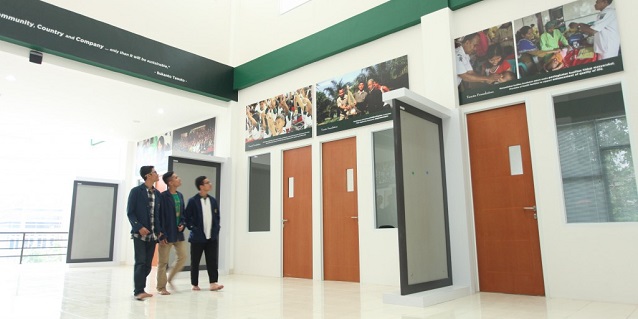
Tanoto Forestry Information Centre Celebrates 1st Anniversary
The Indonesian archipelago of some 17,000 islands is home to some of the largest forests in the world. According to the Forestry Statistics of Indonesia published by the Ministry of...

Latest updates on what's happening in RGE Group


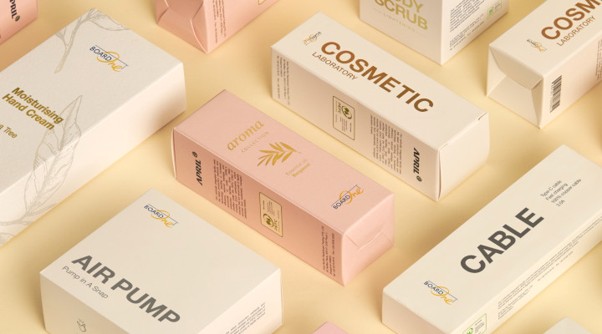
The global packaging industry is undergoing one of its most significant transformations in decades. For the businesses that depend on packaging, the question is no longer whether to move to sustainable packaging, but how to do it while meeting tighter regulations, rising costs and growing customer expectations. This article explains what is driving the shift, how leading producers are responding, and what it means for the future of the sector.
For years, sustainability in packaging was driven mainly by voluntary commitments and consumer preference. Today, regulation is the stronger force. Governments are accelerating the move towards sustainable materials and circular business models, and three pressures now converge on every business that uses packaging:
The result is clear: producers, not just consumers, are now accountable for what happens to packaging after use.
Across major economies, governments are turning sustainability goals into legal requirements. Three examples show the direction of travel:
These converging forces are accelerating interest in fibre-based packaging. Made from renewable resources and supported by established recycling systems in many markets, paperboard can reduce dependence on fossil-based materials while meeting the functional demands of modern packaging. As regulation, consumer expectations and corporate commitments align, renewable fibre-based packaging is becoming central to the industry’s future.
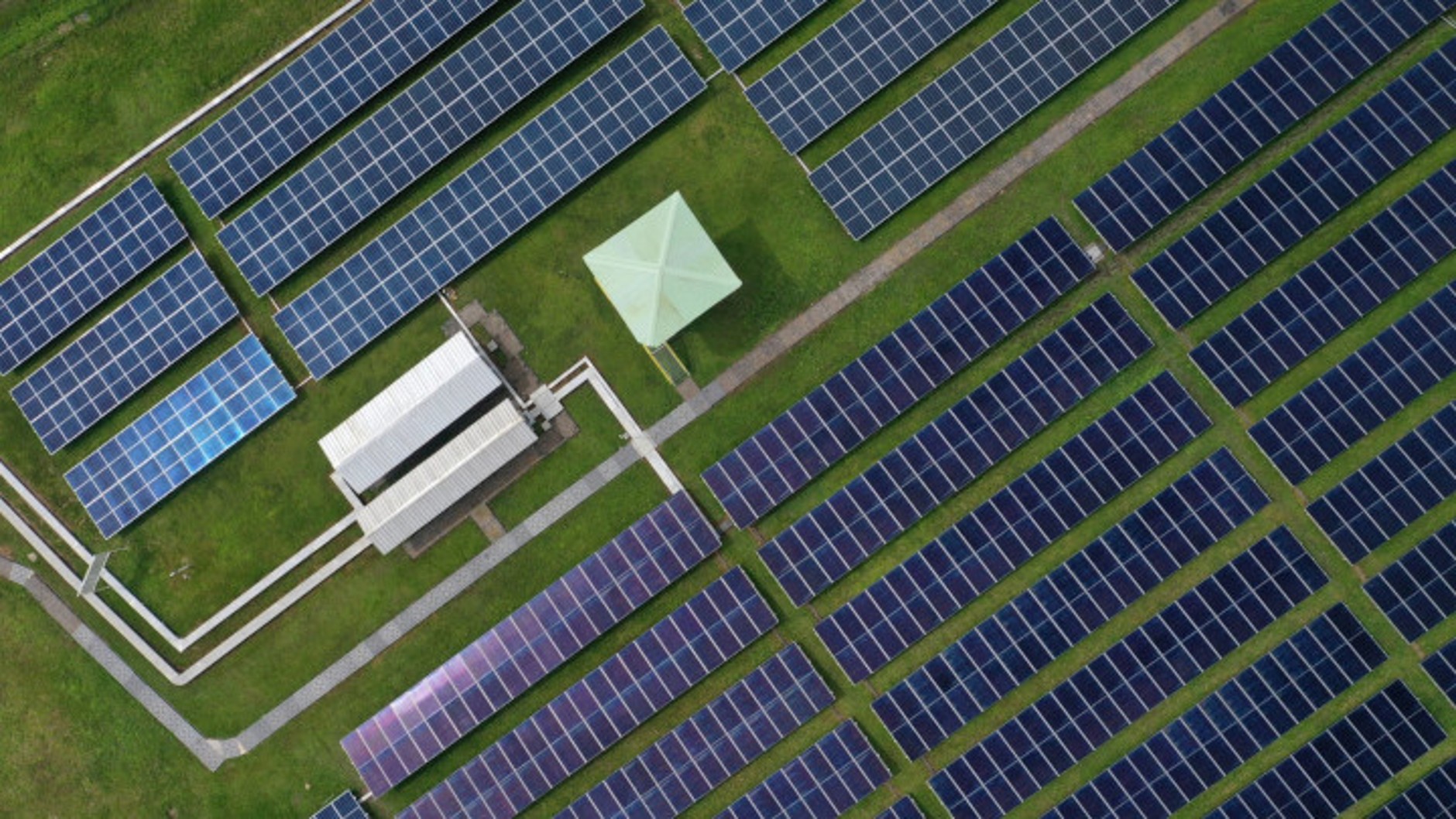
APRIL embeds sustainability into its operations, with installed solar capacity surpassing its 2030 targets six years early.
Discussions about sustainable packaging often focus on the final product. In practice, the environmental performance of packaging is shaped by the entire value chain, from how raw materials are sourced, to how efficiently they are produced.
At APRIL, sustainability runs through every stage of operations, from fibre sourcing and manufacturing to resource management and innovation. Sustainable packaging requires more than renewable raw materials. It also depends on how efficiently those materials are produced, processed and turned into finished products.
APRIL continues to invest in decarbonisation, renewable energy and resource efficiency to support both environmental objectives and long-term business resilience. The results are measurable:
Water stewardship is another priority. Because pulp and paper manufacturing is water-intensive, APRIL operates water management systems designed to protect both water quality and availability. The company treats all wastewater before discharge, and real-time systems continuously monitor key parameters such as pH, suspended solids and chemical oxygen demand.
Circularity is increasingly built into operations. Through its Waste-to-Value initiative, APRIL turns industrial by-products into fertilisers and soil ameliorants (materials that improve soil quality) for its plantations. By-products that would otherwise go to landfill are repurposed, supporting soil fertility, plantation productivity and waste reduction.
Together, these initiatives show how APRIL embeds sustainability across its operations. Sustainability is not a standalone programme; it is part of how the business operates and grows.
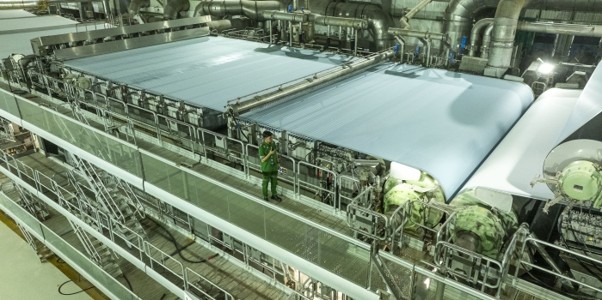
APRIL Group’s paperboard facility takes a holistic approach to diversification, circularity, and responsible production.
The shift to sustainable packaging is not only a response to regulation. It is part of a larger move towards the bioeconomy. The bioeconomy is the use of renewable biological resources to produce materials, products and solutions that reduce dependence on finite resources.
This is one reason APRIL has expanded into paperboard production through brands such as BoardOne. Growing demand for fibre-based packaging is an opportunity to create value from renewable materials while helping customers move away from conventional options.
Diversification is now integral to APRIL’s long-term growth strategy. Today its portfolio spans pulp, paper, paperboard and viscose, a wood-based fibre used in textiles. This range lets the company support the bioeconomy across multiple industries while reducing reliance on any single product category.
Importantly, APRIL does not treat sustainability and growth as competing priorities. Its sustainability framework positions sustainable growth around product diversification, circularity and responsible production. Long-term success, the company believes, will increasingly depend on providing renewable, low-carbon and resource-efficient solutions to customers worldwide.
The future of packaging will be shaped by regulation, innovation, customer expectations and business leadership. Regulations are setting new standards. Markets are evolving. Customers increasingly want products that match their environmental goals. Meeting these expectations takes more than a single product or technology. It takes a systems-based approach that combines responsible sourcing, efficient operations and innovation.
For APRIL and the wider RGE group, this aligns with the 5Cs philosophy: doing what is good for Community, Country, Climate and Customers, and only then will it be good for the Company.
APRIL’s investments in renewable energy, circular manufacturing and responsible resource management support climate goals while strengthening operational resilience. Diversifying into renewable fibre-based solutions helps customers meet changing market demands, while responsible stewardship creates positive outcomes for communities and future generations. Ultimately, the move to sustainable packaging is about more than swapping one material for another. It is about rethinking how products are made, how resources are used, and how businesses create lasting value.
What is sustainable packaging?
Sustainable packaging is packaging designed to reduce environmental impact across its life cycle. It uses renewable or recycled materials, supports recyclability, and minimises waste and emissions during production.
Why is packaging regulation increasing?
Governments are introducing rules such as the UK Plastic Packaging Tax and the EU Packaging and Packaging Waste Regulation to cut packaging waste, raise recycling rates and require recycled content. Many countries are also adopting Extended Producer Responsibility schemes that make producers responsible for packaging after use.
What is fibre-based packaging, and why does it matter?
Fibre-based packaging, such as paperboard, is made from renewable wood fibre and is recyclable in many markets. It offers an alternative to fossil-based plastics while meeting the functional needs of modern packaging.
What is the bioeconomy?
The bioeconomy is the use of renewable biological resources to make materials, products and solutions that reduce reliance on finite resources. Fibre-based packaging is one example.
What is APRIL doing to make its operations more sustainable?
In 2025, renewable and cleaner energy accounted for 38% of energy consumed across APRIL’s Sumatra fibre operations, and installed solar capacity reached 39.4 MW in 2025. APRIL also treats all wastewater before discharge and converts industrial by-products into fertilisers through its Waste-to-Value initiative.
See the APRIL2030 sustainability agenda